
MATERIALS.
At Hason Industries, we specialize in a complete range of industrial grade plastics and insulating materials, combining excellent dielectric strength, high mechanical stability, and superior flame resistance.
INSULATING MATERIALS
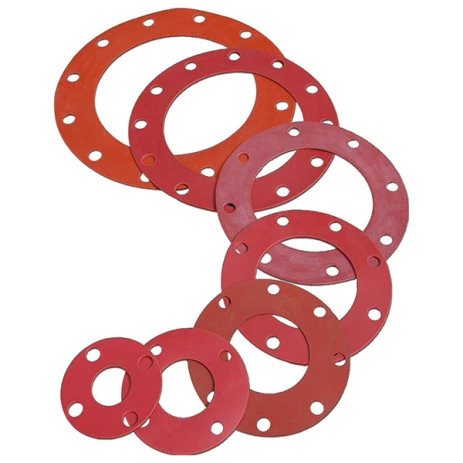
Asbestos gaskets
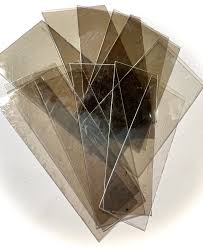
MICA
Mica is a naturally occurring mineral renowned for its outstanding thermal resistance, electrical insulation capabilities, and dimensional stability under extreme heat. Hason Industries machines mica sheets into insulation washers, heater block shields, furnace panel liners, arc flash barriers, and coil supports for electrical and high-temperature pharmaceutical processing equipment. Because mica retains dielectric strength even at temperatures above 500°C, it is widely used in switchgear arc chambers, induction heater insulation, and heating coil separators.
We stock mica sheets in thicknesses ranging from 0.5 mm to 50 mm and produce machined components up to 1,000 mm × 800 mm. Our CNC routing, precision sawing, and controlled drilling workflows allow us to create fine hole patterns, slotted vent surfaces, and custom thermal barrier geometries. Special dust extraction systems are used to maintain safety and edge quality.
In pharmaceutical equipment, mica is used in tablet dryer heaters, band heaters, and thermal insulation rings where direct metal contact could cause contamination or structural deformation. Its resistance to rapid temperature changes helps preserve shape during sterilisation cycles.
In electrical switchboards, mica prevents flashover, creepage currents, and surge conduction between conductive elements. Its ability to withstand arcing makes it an essential barrier in medium-voltage environments.
Hason Industries inspects each mica component for flatness, thickness uniformity, and chip-free edges. We provide reverse-engineered replacements for discontinued heater insulation plates and coil board profiles. Our CAD/CAM modelling ensures tight tolerances and consistent repeatability across batch production. Mica’s superior heat endurance and dielectric strength continue to make it indispensable in thermal and electrical isolation applications.
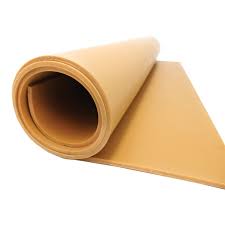
RUBBER
RUBBER
(NBR/EPDM/Silicone/Neoprene)
Rubber-based insulating components fabricated at Hason Industries serve a critical role in sealing, vibration damping, noise reduction, electrical insulation, and equipment protection across pharmaceutical and electrical manufacturing environments. We work with a wide range of premium industrial rubbers, including Nitrile (NBR), EPDM, Silicone, and Neoprene. These materials provide excellent resistance to oils, solvents, steam, atmospheric ozone, and continuous mechanical fatigue. Our rubber components are used to manufacture vibration pads, gasket seals, diaphragm membranes, pump seals, tray liners, cable management pads, bumper blocks, enclosure seals, and anti-slip machine feet.
We stock rubber sheet material from thicknesses ranging between 1 mm to 25 mm and can fabricate components in sizes up to 1,200 mm × 1,000 mm. With CNC knife cutting, die punching, waterjet processing, and press forming capabilities, we produce highly accurate profiles, O-ring grooves, honeycomb vibration patterns, and bolt-hole grids. Our finishing process ensures clean edges and consistent compression response across production batches.
In pharmaceutical facilities, rubber components help maintain hygiene by containing splashes, sealing product handling zones, reducing vibration in tablet coating machines, and isolating noise in filling stations. Silicone rubber is valued for its excellent temperature resistance and is often used in autoclave-compatible sealing systems. EPDM is preferred in wash-down areas due to its resistance to disinfectants and steam exposure.
For electrical manufacturing, rubber sheets provide dielectric insulation between busbars, terminal studs, and panel covers. Neoprene gasket strips support heavy-duty outdoor electrical cabinets, ensuring moisture protection in varying climate conditions.
At Hason Industries, each component undergoes compression set testing, dimensional verification, and surface integrity checks. We reverse-engineer legacy rubber parts and supply OEM spares with improved performance characteristics. Our ISO-driven workflows, CAD/CAM design support, and short production lead times make us a trusted partner for high-volume gasket and seal manufacturing. With excellent shock absorption and sealing stability, rubber remains an essential insulating material in modern industrial environments.
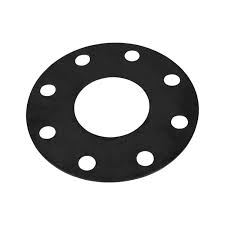
GASKET
Gaskets produced at Hason Industries are engineered sealing components designed to prevent leakage of gases, liquids, vapours, and chemicals under compression. Manufactured from materials such as PTFE, EPDM, rubber, and non-asbestos composites, our gaskets are widely used in pharmaceutical process piping, pump housings, sterile fluid transfer systems, electrical junction enclosures, and compressed air lines. Their dimensional stability ensures consistent sealing performance under fluctuating temperature and pressure conditions.
We machine and die-cut gaskets from sheet stock ranging between 0.5 mm and 10 mm thickness, producing profiles up to 1,200 mm in diameter or rectangular equivalents. Using CNC knife cutting, routing, die punching, and waterjet techniques, we deliver intricate geometries, bolt hole patterns, flange profiles, and groove designs suitable for OEM-grade equipment.
In pharmaceutical systems, chemically inert gaskets prevent contamination between process zones, making them critical in filling equipment, filtration assemblies, and CIP/SIP circuits. PTFE gaskets are preferred in corrosive chemical handling due to their resistance to acids and solvents. In electrical enclosures, gaskets prevent dust ingress and moisture intrusion, protecting sensitive components.
Hason Industries validates gasket compression set, edge uniformity, and thickness tolerance during quality checks. We manufacture both flat and formed gaskets, including spiral groove, tapered, and dovetail profiles. Reverse engineering allows us to replace worn OEM gaskets when technical drawings are unavailable.
Our CAD-based nesting optimisation reduces material waste while ensuring consistent repeatability in batch production. With ISO-quality frameworks, batch traceability, and fast turnaround, Hason Industries supports both maintenance departments and OEM manufacturers requiring reliable sealing solutions.
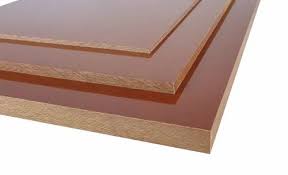
PHENOLIC LAMINATE
PHENOLIC LAMINATE – ELECTRICAL & MECHANICAL GRADE
Phenolic Laminates, also known as Bakelite Sheets, are high-pressure thermoset laminates made by impregnating layers of paper or fabric with phenolic resin and pressing them under heat and pressure. These laminates offer excellent electrical insulation, mechanical strength, and dimensional stability. They are available in both Electrical Grade and Mechanical Grade, designed to meet diverse industrial requirements.
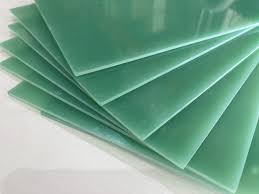
GLASS EPOXY
Glass Epoxy (G10 / FR4, FR5 / G11, GPO3) – Advanced Electrical Insulation Materials
At Hason Industries, we specialize in a complete range of Glass Epoxy Laminates, widely used for electrical, electronic, and industrial insulation applications. These materials combine excellent dielectric strength, high mechanical stability, and superior flame resistance, making them ideal for switchgear panels, transformers, motors, control enclosures, and automation fixtures.
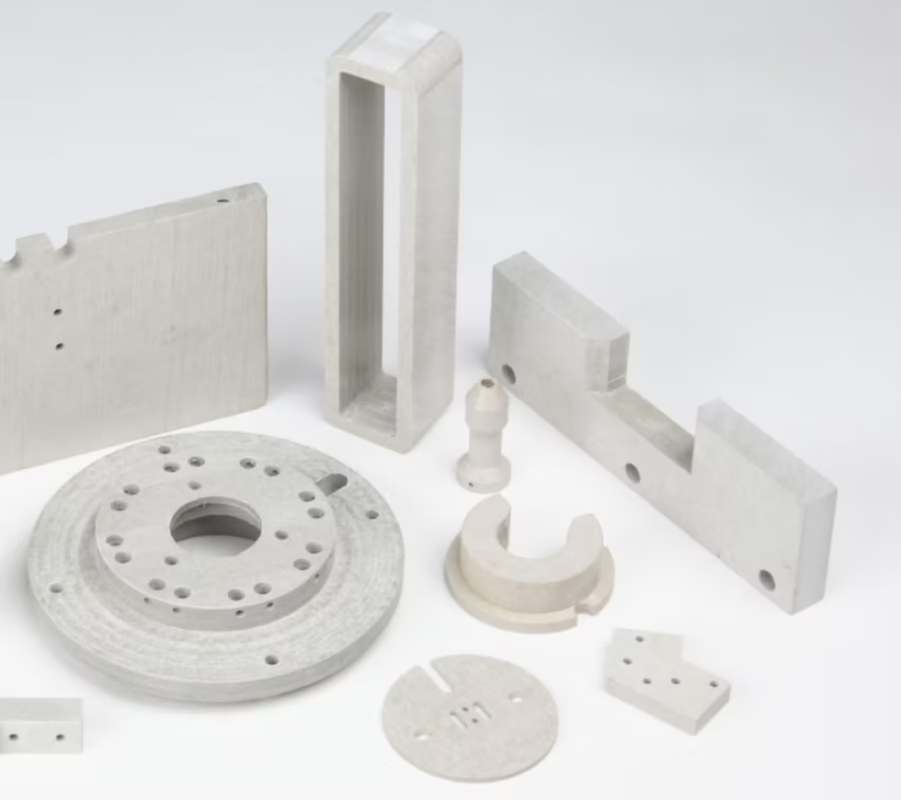
SYNDHANIUM
ENGINEERING PLASTICS
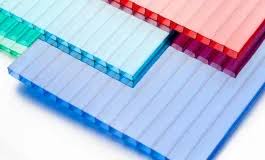
POLYCARBONATE
Polycarbonate is a transparent, impact-resistant engineering plastic known for its mechanical toughness, heat resistance, and optical clarity. At Hason Industries, Polycarbonate is used to produce machine covers, guard panels, inspection windows, viewing hoods, medical cleanroom enclosures, protective shields, safety doors, and protective housings in pharmaceutical and electrical manufacturing environments. Its shatter-proof nature makes it safer than glass around rotating machinery, reducing injury risk while allowing operators full visual access.
We stock Polycarbonate panels in thicknesses from 3 mm to 20 mm and can machine parts up to 2,400 mm × 1,500 mm. Using CNC routers, cold-bend tooling, heat-forming stations, and chamfering systems, we deliver curved guard panels, interlocking safety doors, and transparent barriers with high clarity. Polycarbonate can be drilled and slotted without cracking — a capability that our technicians execute carefully to preserve structural strength.
In pharmaceutical applications, Polycarbonate enclosures prevent airborne contamination while offering clear inspection visibility. In electrical industry setups, it functions as an arc-resistant protective guard and equipment shield. Polycarbonate also supports laser marking and engraving for safety instructions, batch coding, and operator guidance signage.
Hason Industries ensures that edges are polished, mounting slots are accurate, and cutouts align perfectly with machine frames. Our ISO-structured quality workflows verify transparency, dimensional tolerances, and stress-crack resistance. With short production cycles, replacement turnaround is fast, reducing downtime for OEM clients.
PVC
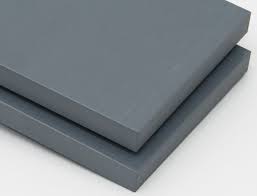
PVC (Polyvinyl Chloride)
PVC is a rigid, durable thermoplastic known for its excellent chemical resistance, electrical insulation properties, and structural integrity. At Hason Industries, PVC is commonly machined into spacers, cable duct covers, busbar insulators, mounting panels, machine guards, fluid flow channels, exhaust system components, and splash shields. Its flame retardancy and resistance to corrosion make it ideal for electrical switchboards, laboratory ventilation systems, and pharmaceutical processing areas where sanitation and safety are critical. PVC’s smooth surface prevents chemical adherence, making it suitable for cleanroom applications.
We maintain PVC sheet stock ranging from 3 mm to 50 mm thick, and rod stock up to Ø200 mm. Using CNC milling, routing, drilling, and profiling equipment, we manufacture PVC parts up to 2,200 mm × 1,300 mm in size. PVC can be easily bonded and welded to form enclosures, partitions, chambers, and protective structures. Our machining strategies prevent chipping and ensure smooth edges, resulting in highly functional components for industrial machinery.
In pharmaceutical environments, PVC is used for drip trays, dispensing components, pump housings, fume extraction hoods, and protective equipment barriers. For electrical manufacturers, PVC provides safe insulation and helps in the construction of cable retainers, insulating plates, and terminal shields. PVC’s resistance to moisture and solvents makes it suitable for assembly lines undergoing frequent cleaning cycles.
Hason Industries employs a structured inspection process, ensuring part flatness, hole accuracy, and correct profile geometry. With advanced CAD/CAM integration, we optimize toolpaths to achieve consistent quality across repeated production batches. Our ability to produce custom PVC assemblies with short lead times makes us a reliable supplier to OEMs requiring sturdy, corrosion-free components.
PTFE (TEFLON)
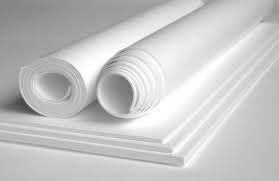
PTFE, commonly known by its trade name Teflon, is one of the most chemically inert and non-stick engineering plastics available. At Hason Industries, PTFE is used to manufacture components that must perform in corrosive, high-temperature, friction-sensitive, and electrically insulated environments. Typical applications include seals, gaskets, valve seats, insulator blocks, chemical handling bushings, pump components, bellows rings, washer sets, slide plates, and non-stick guides used extensively in pharmaceutical processing equipment where product adhesion must be prevented. PTFE’s impressive resistance to acids, solvents, and steam makes it ideal for sterilisation chambers, autoclaves, and CIP/SIP systems. In electrical and switchgear applications, its dielectric strength and arc resistance make it suitable for insulators, terminal standoffs, and shielding plates.
Hason Industries stocks PTFE sheets in thicknesses ranging from 5 mm to 80 mm and rods from Ø10 mm to Ø150 mm. Using advanced CNC milling, turning, and boring capabilities, we can machine PTFE parts up to 1,800 mm × 1,000 mm. PTFE’s softness requires controlled feed rates and razor-sharp tooling — an area where our experienced machinists excel. We deliver tight tolerances on sealing faces, O-ring grooves, and press-fit components that demand near-perfect surface finishes.
PTFE’s low friction and non-wetting properties help prevent contamination in pharmaceutical transfer trays, tablet conveyors, and dosing nozzles. Its thermal stability up to 260°C allows it to operate continuously in heated assemblies without degrading. In electrical manufacturing, PTFE is widely used to produce high-voltage insulation rings, barrier plates, coil spacers, and cable guides.
Every component is quality-checked for dimensional accuracy, thermal stability, and flatness. Our CAD/CAM programming ensures toolpaths that avoid burr formation and distortion. With ISO-backed quality practices and batch traceability, Hason Industries provides PTFE parts trusted by OEMs requiring high-purity, long-life performance.
PPH
PPH (Polypropylene Homopolymer)
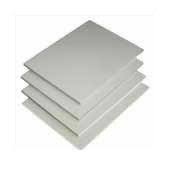
Polypropylene Homopolymer (PPH) is a highly chemical-resistant variant of polypropylene used extensively in applications involving aggressive acids, alkalis, solvents, and cleaning agents. At Hason Industries, PPH is frequently used to manufacture water treatment components, filter housings, pump backplates, ducting elements, electroplating equipment, fluid manifolds, and scrapers. PPH exhibits excellent stiffness and rigidity, making it suitable for structural parts required to withstand long-term industrial operation. It is widely chosen for pharmaceutical manufacturing due to its hygienic surface properties and resistance to disinfectants.
We stock PPH sheets and rods in thicknesses from 6 mm to 100 mm, and we can machine components up to 2,300 mm × 1,400 mm in size. Our CNC machining centres allow precise routing, slotting, pocketing, and drilling while maintaining flatness and dimensional accuracy. PPH can also be heat-welded to form tanks, channels, laboratory containment assemblies, and spill trays.
In electrical equipment manufacturing, PPH is used as a dielectric insulating barrier due to its low electrical conductivity. It is suitable for switchgear enclosures, terminal insulators, and busbar separation plates. Because it does not absorb moisture and resists chemical erosion, it outperforms many materials in corrosive industrial atmospheres.
Hason Industries integrates plastic welding stations, bending setups, and surface finishing systems to produce fully fabricated PPH assemblies. Our ISO-certified workflow ensures batch consistency, tight tolerance control, and documentation support for regulatory environments. Each part undergoes dimensional inspection and, where applicable, leak testing. PPH remains a preferred choice for clients requiring long-term chemical compatibility.
PEEK
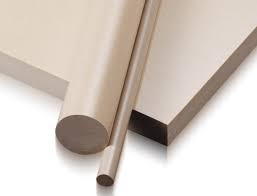
Polyether Ether Ketone (PEEK) is one of the most advanced high-performance engineering plastics available today, offering unparalleled high-temperature stability, mechanical strength, chemical inertness, and electrical insulation performance. At Hason Industries, PEEK is used to manufacture components that operate in extreme conditions, including semiconductor machinery parts, electrical insulation plates, compressor valve seats, bushings, bearing cages, pump impellers, wafer handling components, and high-load guide elements. PEEK’s ability to perform at temperatures up to 250°C continuously, combined with low gas permeability, makes it ideal for pharmaceutical sterilisation environments, autoclaves, and high-purity process lines.
We maintain PEEK stock in sheet thicknesses from 6 mm to 80 mm and rods up to Ø120 mm. Our CNC milling and turning systems are capable of machining PEEK components up to 1,500 mm in length, holding very tight tolerances thanks to the material’s excellent dimensional stability. Due to its rigidity, PEEK requires carefully controlled cutting strategies and professional handling — a speciality that Hason Industries has mastered over years of experience.
In the electrical sector, PEEK is prized for its dielectric strength, flame resistance, and arc-tracking resistance, making it suitable for switchgear shields, insulator blocks, contact supports, and coil structures. For pharmaceutical equipment manufacturers, PEEK is the preferred material for product-contact surfaces that must not shed particles, degrade, or absorb moisture during humidification or sterilisation.
Hason Industries employs CAD/CAM systems to simulate tool paths and machining loads before production, reducing risk and improving surface finish. Our temperature-controlled machining environment helps maintain tolerance reliability. Every PEEK part undergoes post-production inspection using calibrated measuring instruments.
Because PEEK components often replace machined metal in harsh applications, clients trust Hason Industries to deliver critical parts with high reliability, repeatability, and certification documentation.
DELRIN
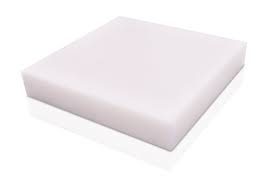
Delrin, also known as Polyoxymethylene (POM), is a precision engineering plastic renowned for its stiffness, low friction coefficient, and outstanding dimensional stability. At Hason Industries, Delrin is machined into gears, valve components, sliding plates, mechanical linkages, spacers, timing pulleys, bushings, washers, electrical coil housings, and calibration fixtures. It is particularly valued in pharmaceutical machinery for its smooth surface finish, repeatable accuracy, and resistance to deformation under load. Delrin maintains dimensional accuracy even in service conditions involving high mechanical pressure and rapid movement cycles, making it indispensable for precision motion control systems.
Our stock of Delrin sheets and rods ranges from 6 mm to 100 mm in thickness and from Ø15 mm to Ø200 mm in diameter. With high-precision 3-axis CNC mills, routers, and lathe systems, Hason Industries can machine Delrin components up to 2,200 mm × 1,200 mm in size. Delrin’s minimal thermal expansion allows us to hold tight tolerances on features such as gear tooth profiles, shaft fits, and guide slots. We also offer custom surface finishing, chamfering, threading, taper machining, and press-fit tolerance optimisation.
In electrical insulation applications, Delrin provides excellent dielectric strength and minimal moisture absorption, enabling parts like switchgear sleeves, terminal spacers, and sensor housings to operate safely. For pharmaceutical-grade handling systems, Delrin’s hygienic properties and resistance to repeated sterilisation cycles allow it to be used confidently in contact surfaces, handling trays, and dosing equipment. Its ability to slide smoothly without lubrication prevents contamination risks.
At Hason Industries, our team combines industrial experience with advanced CAD/CAM programming to optimise tooling strategies, reduce wear marks, and maintain high part consistency in batch production. All Delrin components undergo dimensional verification, visual inspection, and structural integrity checks before dispatch. With our stringent quality control and machining expertise, Delrin remains a top-tier choice for operational precision.
HDPE
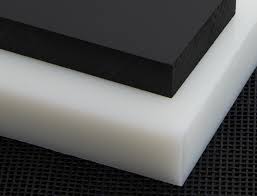
High-Density Polyethene (HDPE) is known for its exceptional tensile strength, impact resistance, and durability under demanding industrial conditions. At Hason Industries, HDPE is commonly machined into trays, machine covers, wear pads, guards, insulation panels, cutting boards, and process tanks used across pharmaceutical and electrical manufacturing environments. It resists moisture absorption, environmental stress cracking, and chemical exposure, making it a dependable material for both indoor and outdoor applications.
We maintain HDPE sheets and rods in thicknesses ranging from 5 mm to 150 mm, and we can machine components up to 2,500 mm × 1,500 mm depending on shape and tolerance requirements. HDPE can be easily CNC-routed, turned, welded, and heat-bent, allowing us to fabricate intricate features such as mounting slots, drip channels, interlocking edges, and anti-slip textures.
For pharmaceutical manufacturing, HDPE excels in hygiene-critical environments because it does not support bacterial growth, and its smooth surface is easy to sanitise. In electrical equipment, HDPE is used to fabricate non-conductive protective covers, insulating panels, and barrier guards. Its lightweight nature reduces mechanical loading on movable assemblies.
Hason Industries utilises state-of-the-art 3-axis CNC machining centres, supported by industrial plastic welding stations and finishing tools to deliver perfectly assembled HDPE structures. Our ISO quality practices ensure dimensional uniformity, leak prevention, and consistent mechanical performance across production batches.
HDPE’s cost-effectiveness, long-term stability, and workability make it a popular choice among our clients seeking durable alternatives to metal.
POLYPROPYLENE
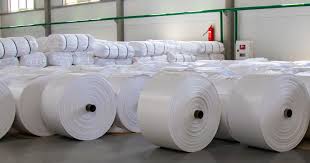
Polypropylene (PP) is a versatile, lightweight thermoplastic widely used in environments where resistance to acids, alkalis, disinfectants, and moisture exposure is critical. At Hason Industries, PP is the preferred material for fabricating chemical tanks, pump housings, plating equipment, laboratory trays, splash guards, electroplating barrels, scrapers, and ducting used in pharmaceutical manufacturing, wastewater treatment, and chemical processing. Its non-reactive surface and low moisture absorption ensure superior hygiene, making PP ideal for cleanrooms and equipment requiring frequent sanitation.
We stock PP sheets and rods in thicknesses ranging from 5 mm to 120 mm, enabling us to machine a wide range of part geometries. Using our high-capacity CNC machining centres, we can manufacture PP components up to 2,400 mm × 1,400 mm in size. PP can be heat-bent, welded, and bonded using advanced plastic welding systems, enabling us to create leak-proof tanks, process containers, and custom assemblies with long service life.
In electrical manufacturing applications, PP is valued for its dielectric insulating properties, making it suitable for panel barriers, terminal insulators, and busbar shielding. For pharmaceutical equipment, PP’s excellent chemical compatibility prevents contamination, allowing it to maintain purity during product handling. This material withstands continuous exposure to cleaning agents, detergents, and steam without degrading or cracking.
Our team leverages CAD/CAM-based manufacturing workflows to ensure precision during machining and assembly. Every PP component undergoes dimensional inspection and leak-testing (where applicable) to guarantee performance. Hason Industries’ commitment to quality and reliability has made PP one of our most frequently fabricated materials for OEM production lines and industrial upgradation projects.
UHMWPE
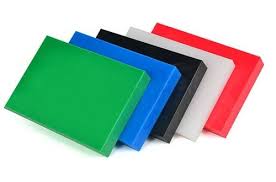
Ultra High Molecular Weight Polyethene (UHMWPE) is renowned for its extraordinary abrasion resistance, self-lubricating surface, and extremely low friction coefficient, making it a premium choice for components that face continuous sliding contact. At Hason Industries, UHMWPE is frequently machined into chain guides, conveyor wear strips, chute liners, star wheels, corner tracks, scrapers, and bumpers that are commonly integrated into pharmaceutical packaging lines, bottling plants, electrical equipment manufacturing, and food-grade processing machinery. UHMWPE does not absorb moisture and resists corrosive chemicals, making it ideal for wash-down environments and cleanroom-compatible assemblies.
We stock UHMWPE sheets and rods in thicknesses ranging from 8 mm to 200 mm and diameters up to 250 mm. With the aid of high-precision CNC routers, milling machines, and turning centres, we can produce UHMWPE components in sizes up to 2,500 mm in length and 1,500 mm in width. Our machining procedures prevent material warping and maintain tight tolerances, ensuring smooth operation in moving assemblies. UHMWPE’s impact-resistant nature helps to reduce machine wear, operational noise, and lubricant requirements.
In the electrical industry, UHMWPE is used as an insulating buffer material due to its dielectric properties and resistance to arc tracking. For pharmaceutical machinery, UHMWPE’s FDA-friendly variants offer excellent performance in contact surfaces, hoppers, conveyors, and product handling trays. Clients rely on our ability to custom-fabricate and assemble UHMWPE parts using advanced heat forming, chemical welding, and surface finishing techniques.
At Hason Industries, our ISO-driven processes ensure consistency in every production run. Each component undergoes dimensional inspection, edge finishing, and quality verification to meet OEM specifications. UHMWPE is a perfect metal replacement where friction reduction and wear resistance are priorities.
NYLON
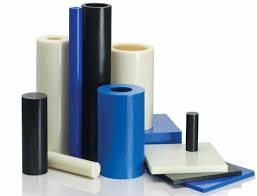
Nylon is one of the most widely used engineering plastics due to its combination of high mechanical strength, wear resistance, and excellent dimensional stability. At Hason Industries, Nylon is precision-machined for critical industrial applications where smooth movement and load-bearing performance are essential. This material offers low friction and high impact strength, enabling the production of gears, sprockets, pulleys, rollers, bushings, guide blocks, valve seats, and wear pads. Nylon’s natural damping characteristics make it suitable for reducing noise in high-speed machinery typically found in automation systems, conveyor setups, switchgear assembly lines, and pharmaceutical production equipment, where vibration control improves product quality and machine longevity. Its dielectric properties also make it an ideal insulator in electrical environments.
We maintain an extensive stock of Nylon sheets, rods, and blocks in thicknesses ranging from 5 mm to 150 mm, with rod diameters up to 300 mm. Our CNC milling and turning systems allow us to machine nylon components up to 2,500 mm in length and 1,500 mm in width, depending on geometry and tolerance requirements. Complex profiles can be achieved using 3-axis CNC machining, heat forming, and precise finishing tools. In pharmaceutical environments, Nylon is prized for its chemical resistance to detergents and cleaning solutions, which helps maintain hygiene requirements.
Hason Industries has the capability to reverse-engineer worn Nylon parts and manufacture improved replacements that outperform their metal equivalents, reducing weight and eliminating corrosion. Quality assurance protocols ensure dimensional accuracy, surface finish control, and repeatable performance across production batches. Combined with advanced CAD/CAM programming, we deliver consistent results that OEM manufacturers rely on. Nylon remains a preferred choice for customers seeking long-life performance at an economical price point.